
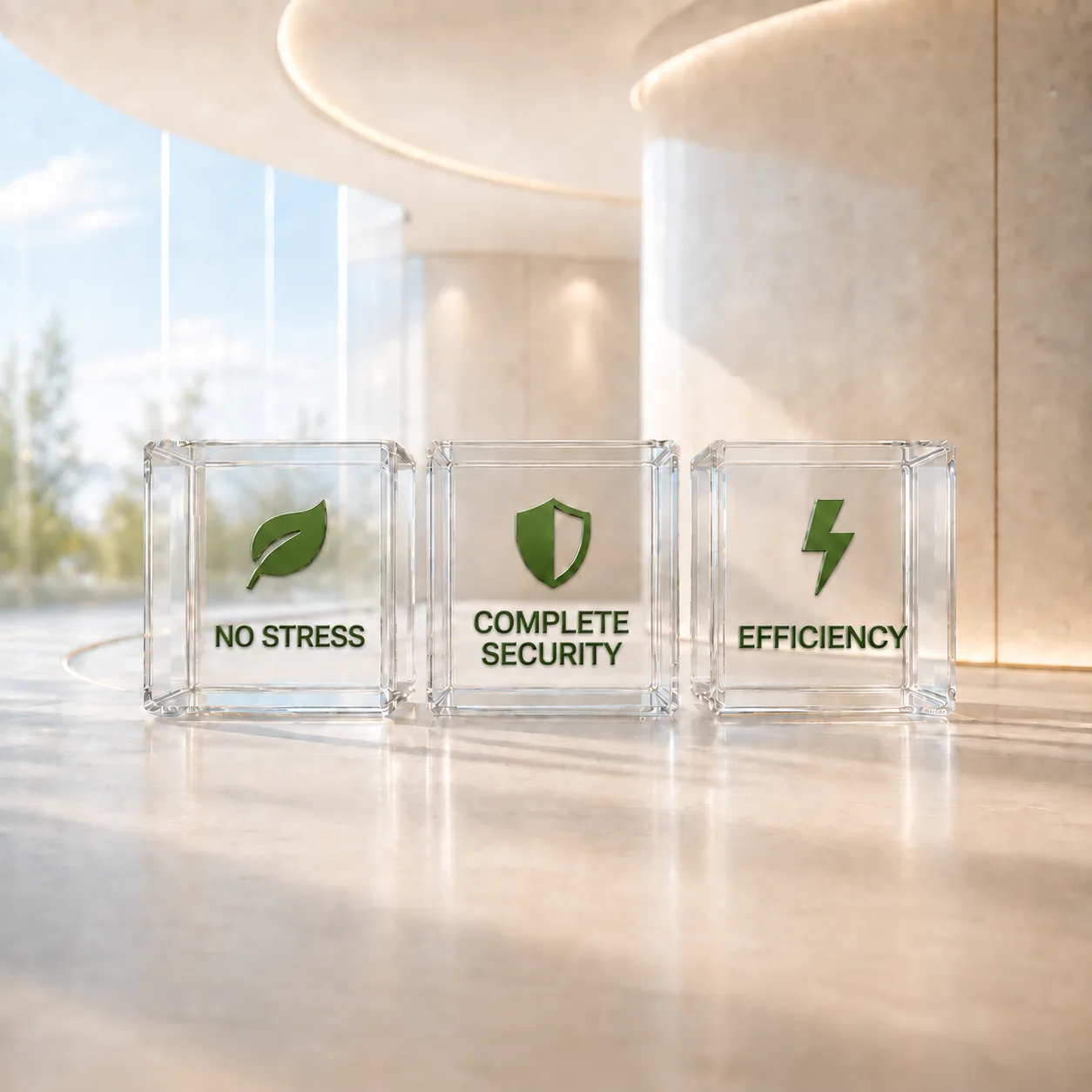
Without stress
You avoid the emotional clash and the defensive reactions that follow.
Mediation
Dialogue, balance and resolution
How it works
Very often the parties to a dispute do not wish to meet in person, because the relationship has broken down or because earlier attempts to talk have failed. The process is designed to protect your comfort and peace of mind.
The process is conducted through separate meetings with each party. You do not meet the other side and you need not be present at the same time. This guarantees you calm and freedom from emotional pressure.
We begin with a separate meeting with you. Here you can be entirely frank about your concerns and your goals. Everything shared remains confidential and I will not pass it on to the other party unless you expressly ask me to.
My task is to strip away the emotion and convey to the other party only the constructive part of your proposal. That way we avoid argument and focus on a practical resolution.
As mediator I am the link between the parties. I carry proposals, discuss options and smooth over contradictions, helping each side see the objective benefits of an agreement without any confrontation.
Because the communication passes through me, you have the time you need to consider each proposal calmly, without feeling pressed by the presence or the reactions of the other side.
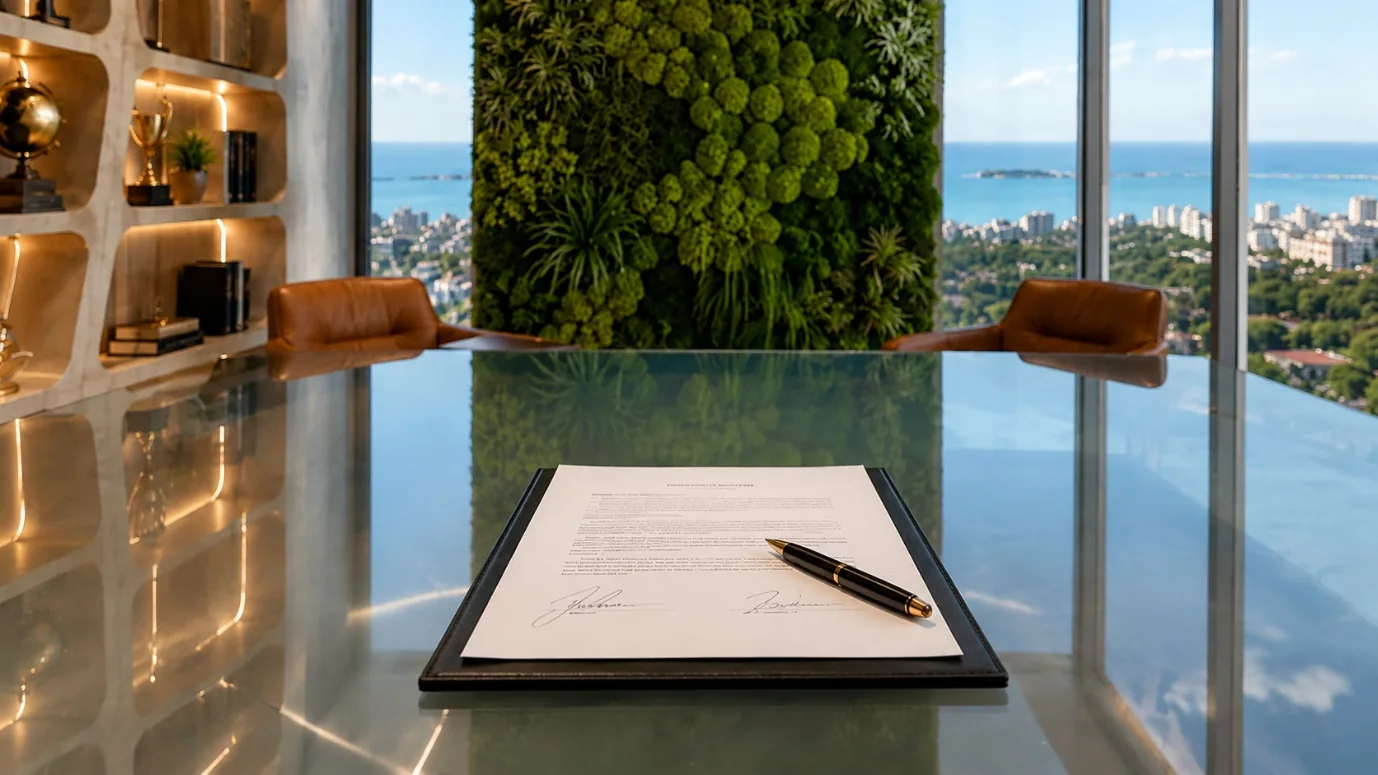
Once you have reached agreement, I prepare the documents. Signing is also arranged in a way that does not require both parties to be physically present in the same place at the same time.
Why it works
You avoid the emotional clash and the defensive reactions that follow.
You control the information that reaches the other side.
When there is no argument, we reach a resolution far faster than a courtroom would allow.
Frequently asked questions
No. The process is arranged so that you do not cross paths at any point. The final document can be signed in two ways:
Mediation is voluntary. If, in the course of the individual conversations, you conclude that the options proposed do not meet your interests, you may end the procedure at any time. This in no way limits your right to take the dispute to court afterwards — on the contrary, you will by then have a far clearer view of the positions and of the real facts.
That is for you to decide. The process does not require another lawyer to take part. As a mediator with legal training and experience, I make sure the agreement is lawful and legally sound. If you do have a lawyer you trust, they may advise you or attend the meetings, but the decision is entirely yours. The aim is an effective outcome at minimum cost to you, without going through expensive and lengthy court proceedings.
Next step